Shiatsu is a body therapy that works on different energy levels of the body: physical, emotional/psychological, and spiritual.
The word “shiatsu” literally translates to “finger pressure” (shi = fingers, atsu = pressure).
Shiatsu is first and foremost a preventive method aimed at keeping negative energy from entering our bodies. Shiatsu stimulates the body’s healing abilities based on an understanding gained through touch. Body pressure thus stimulates the patient’s natural self-healing abilities, relaxes the sympathetic nervous system, and allows the body to regulate the function of internal organs (homeostasis).
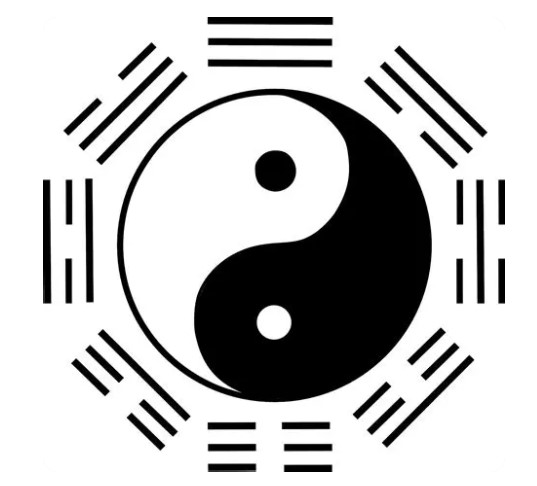
The Yellow Emperor’s Classic of Internal Medicine (the oldest text on traditional Chinese medicine) and the Book of Changes (I Ching) are the primary references for shiatsu. They are linked to Taoist philosophy. According to the Tao, the universe is governed by the energy of Heaven (yang) and Earth (yin). At the center is the human being, who, at the intersection of these energies, receives them and depends on them. Our body channels energy through the Twelve Main Meridians and the Eight Extraordinary Vessels. The meridians come in pairs: one is yang, which governs communication and exchange, and the other is yin, which serves as a reservoir of energy and governs matter. Every day, energy flows through the meridians to nourish the body and provide the nourishing and defensive energies needed to cope with changes in climate, diet, physical activity, and stress. There is an alternation between yin and yang—nourishing and defensive energy, and energy related to transformation and transport. Shiatsu helps these energies flow more freely.
Shiatsu involves direct contact, the manipulation of specific points on the body (using the thumbs and palms), and a series of stretches and exercises designed to restore the balance of yin and yang. It helps release tension and redirect blocked energy.